
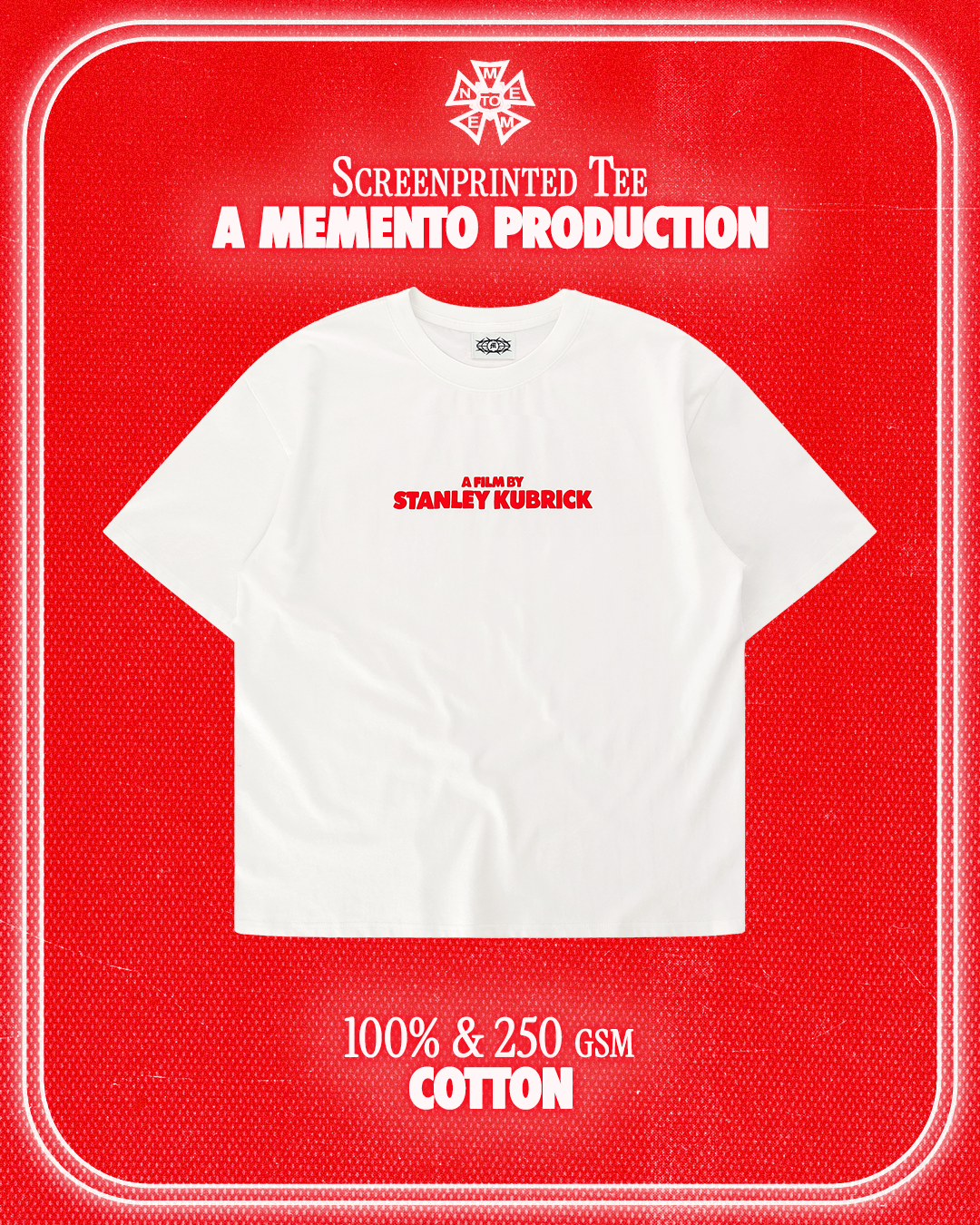
Observation Is a Dying Art. Stanley Kubrick and the Philosophy of Looking.
In the spring of 1945, a seventeen-year-old in the Bronx photographed a newspaper seller surrounded by headlines announcing the death of President Roosevelt. Look magazine bought the picture for twenty-five dollars. Soon after, the kid was taking pictures for them full time.
His name was Stanley Kubrick. Before he made a single film, he spent five years learning how to look.
"Observation is a dying art," he once said. Everything he made afterwards reads like an answer to that line.
Watch any of his films and you notice it before you can explain it. The corridors of the Overlook Hotel in The Shining, running away from you in perfect symmetry. The candlelit rooms of Barry Lyndon, filmed with lenses Zeiss had built for NASA, because Kubrick wanted the eighteenth century lit the way it was actually lit, by candles and daylight. Every frame is placed with the patience of someone who learned his craft through a viewfinder.
He made thirteen feature films in less than fifty years. Only one of them, Spartacus, was made on someone else's terms, and he called it the only film he did not have control over. Not long after, he settled in England, far from Hollywood, and from then on he decided everything himself, from the script and the lenses to the edit and the posters.
That is what the credit means. A Film by Stanley Kubrick tells you that every choice in what you are about to see was made by one person, on purpose. Nothing in the frame is there by accident.
It is also why his films keep giving. You watch The Shining at nineteen and it is a horror film. You watch it again at thirty and start noticing the patterns in the carpet, and the way the hotel's rooms and hallways never quite add up. The film has been waiting for you to look properly.
Kubrick died in 1999, days after showing his final cut of Eyes Wide Shut. He left behind a body of work that still rewards the one thing he worried we were losing.
Observation is a dying art. Look closer.